
News & Announcments
Pictures July 2025- January 2026
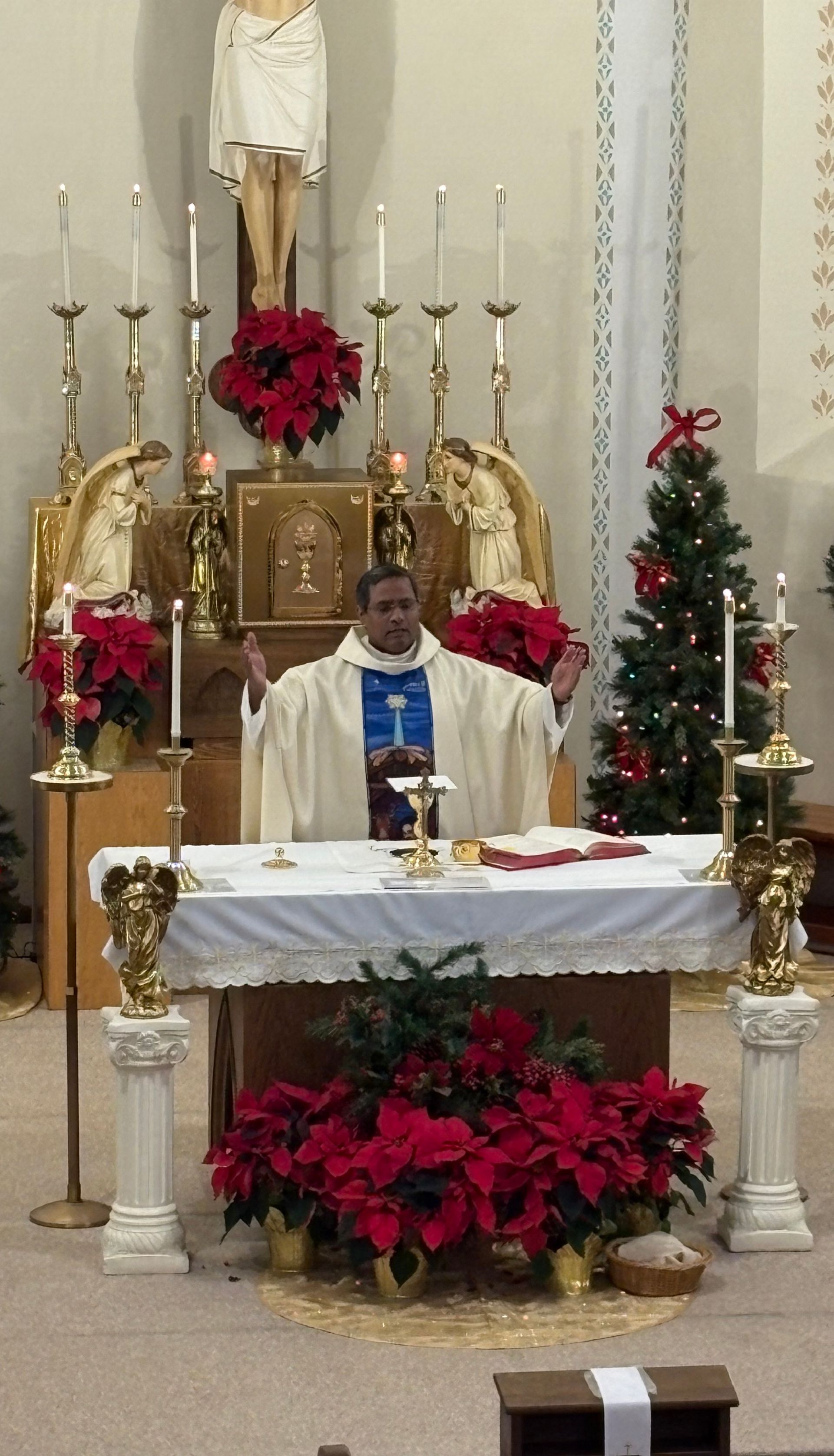
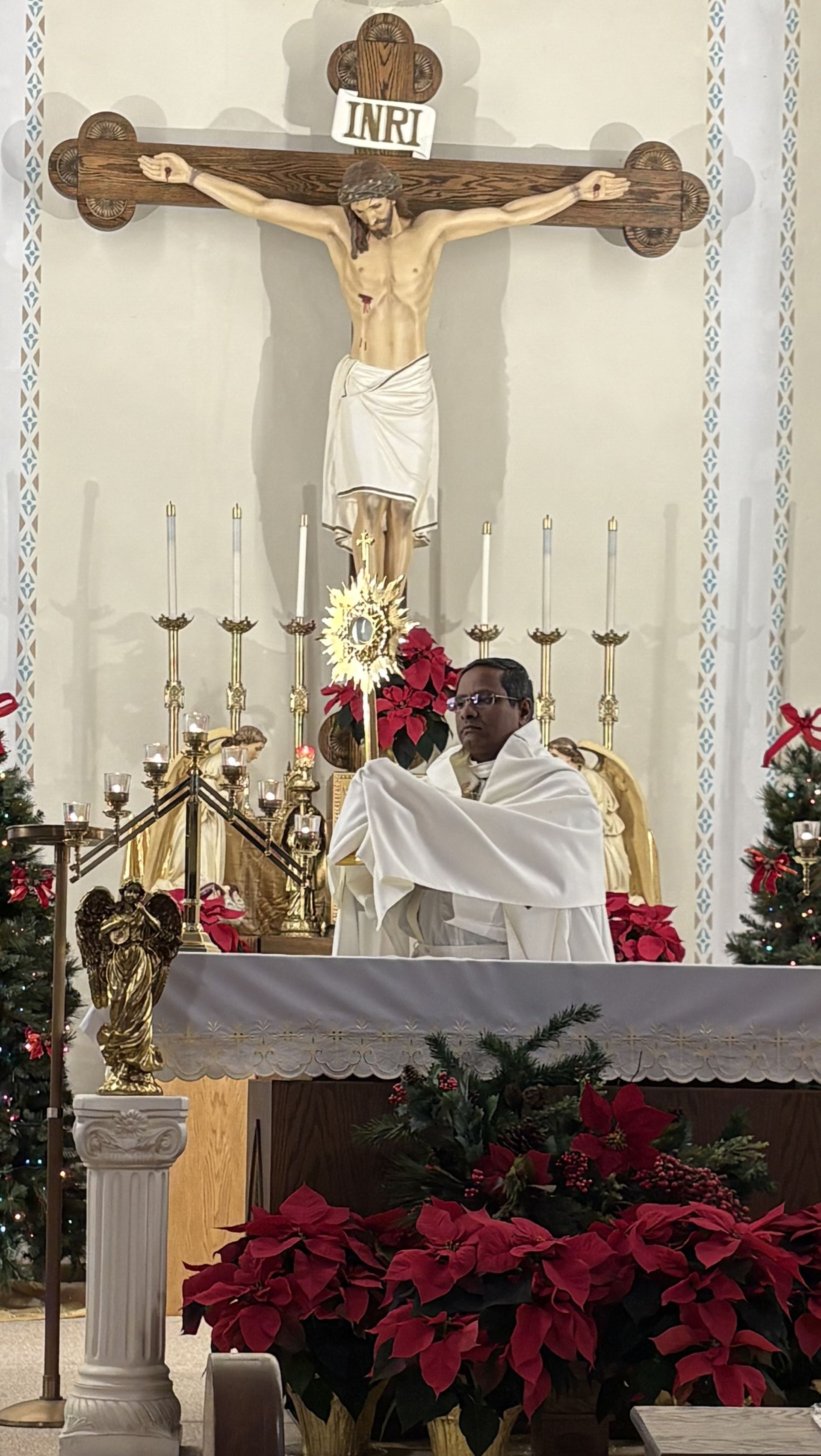
The Feast of Christ the King, November 23, 2025 Today, as we come to the very end of our Church calendar, we celebrate one of the most magnificent feasts of the year: The Solemnity of Our Lord Jesus Christ, King of the Universe. When you hear the word "king," you might think of gold, jewels, and powerful armies. But the Bible tells us a very different story about Jesus’s kingship. His throne was a cross, his crown was made of thorns, and his royal court was made up of soldiers making fun of him and criminals hanging next to him. This is not the powerful king the world expects, but it is the loving leader the world truly needs. When we look at our Scripture readings today, we see a King who turns all those ideas upside down. In the First Reading, the people of Israel finally anoint David as their king. This was the traditional way of things. David was a great military leader, a strong protector. He was the kind of king they needed to secure their borders and build their nation. He was an earthly king. In the Second Reading, St. Paul gives us the grand, cosmic view of Christ’s Kingship. He tells the Colossians—and us—that Jesus is the & "image of the invisible God." Everything was created through Him and for Him. He is the head of the Church. St. Paul gives us the true definition of royalty: Jesus does not just rule a country; He holds the universe together. But how did He achieve this cosmic reconciliation? Paul tells us: through the blood of His cross. This brings us to the shocking scene in our Gospel from Luke. Where is Christ the King? He is not on a mighty throne. He is hanging on a cross, stripped naked, suffering, and dying. His crown is made of thorns. His royal title is mocked: "The King of the Jews." Everyone around Him uses this moment to challenge His claim to power. The leaders sneer: "He saved others; let him save himself." One of the criminals hanging beside Him joins the mocking: "Are you not the Christ? Save yourself and us." This scene forces us to ask: What kind of King is this? This King is utterly powerless by the world’s standards. Yet, in this moment of ultimate weakness, Jesus performs the most powerful act of His reign. He exercises His kingly power to forgive, redeem, and save. The second criminal, whom we often call the "good thief", sees past the pain and the wood. He sees past the mockery. He sees the true Kingdom shining forth from the heart of the suffering man. He does not ask to be saved from the cross, but to be saved through the cross. With simple, profound faith, he says "Jesus, remember me when you come into your kingdom." And Christ the King responds with the final, absolute word of His authority: “Amen, I say to you, today you will be with me in Paradise.” This is the central teaching of the feast of Christ the King: His throne is the Cross. His power is not found in dominating others, but in serving them; not in demanding sacrifice, but in being the sacrifice; not in taking life, but in giving eternal life. His Kingdom is a Kingdom of truth, of grace, of holiness, of justice, of love, and of peace. My friends, the King of the Universe rules not with force, but with love. His throne is the Cross, and His crown is our salvation. If we want to make Jesus King of our lives, we don't build Him a beautiful palace; we choose to serve the poor, the sick, and the lonely, because He told us: "Whatever you did for one of these least brothers of mine, you did for me" We crown Him King every time we choose humility over pride, forgiveness over anger, and service over selfishness. Let us ask Jesus, our great and gentle King, to remember us—not just today, but every day—and lead us into His eternal Kingdom.
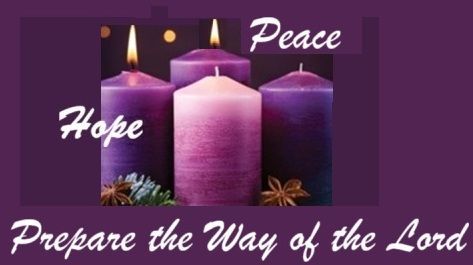
From the Pastor's Desk The season of Advent happens in the four weeks before Christmas. During this time, we light four candles, one each week. These candles are a beautiful tradition that helps us get ready for Christmas and remember what is important. Most of the candles are purple because this color shows we are praying, preparing, and reflecting. The third candle is often pink (or rose) to show we are getting closer and feeling joyful. The First Candle is the candle of Hope. It reminds us that God made promises and that we wait for Jesus to arrive. This hope keeps us looking forward to good things. The Second Candle is the candle of Peace. It reminds us of the peace that Jesus offers to the world. It tells us to find quiet peace in our hearts and to try to be peaceful with everyone around us. The Third Candle is the candle of Joy. Because it is the halfway point, this pink candle brings a feeling of celebration. It reminds us of the joy the shepherds felt when they heard the good news about Jesus. The Fourth Candle is the candle of Love. It shows us how much God loves us by sending His Son. It encourages us to share that same kind of selfless love with others. Finally, on Christmas Eve or Christmas Day, a white candle (the Christ Candle) is lit in the center to celebrate that Jesus, the light of the world, has arrived. These four ideas—Hope, Peace, Joy, and Love—are very useful for us now. When the world feels hard or confusing, the Hope candle helps us trust in something bigger than ourselves. The Peace candle reminds us to slow down, be calm, and try to make things right with others during the busy holiday season. The Joy candle teaches us to find deep, lasting happiness in the simple blessings of our lives. And the Love candle challenges us to actively help, serve, and give to others, just as God gave to us.
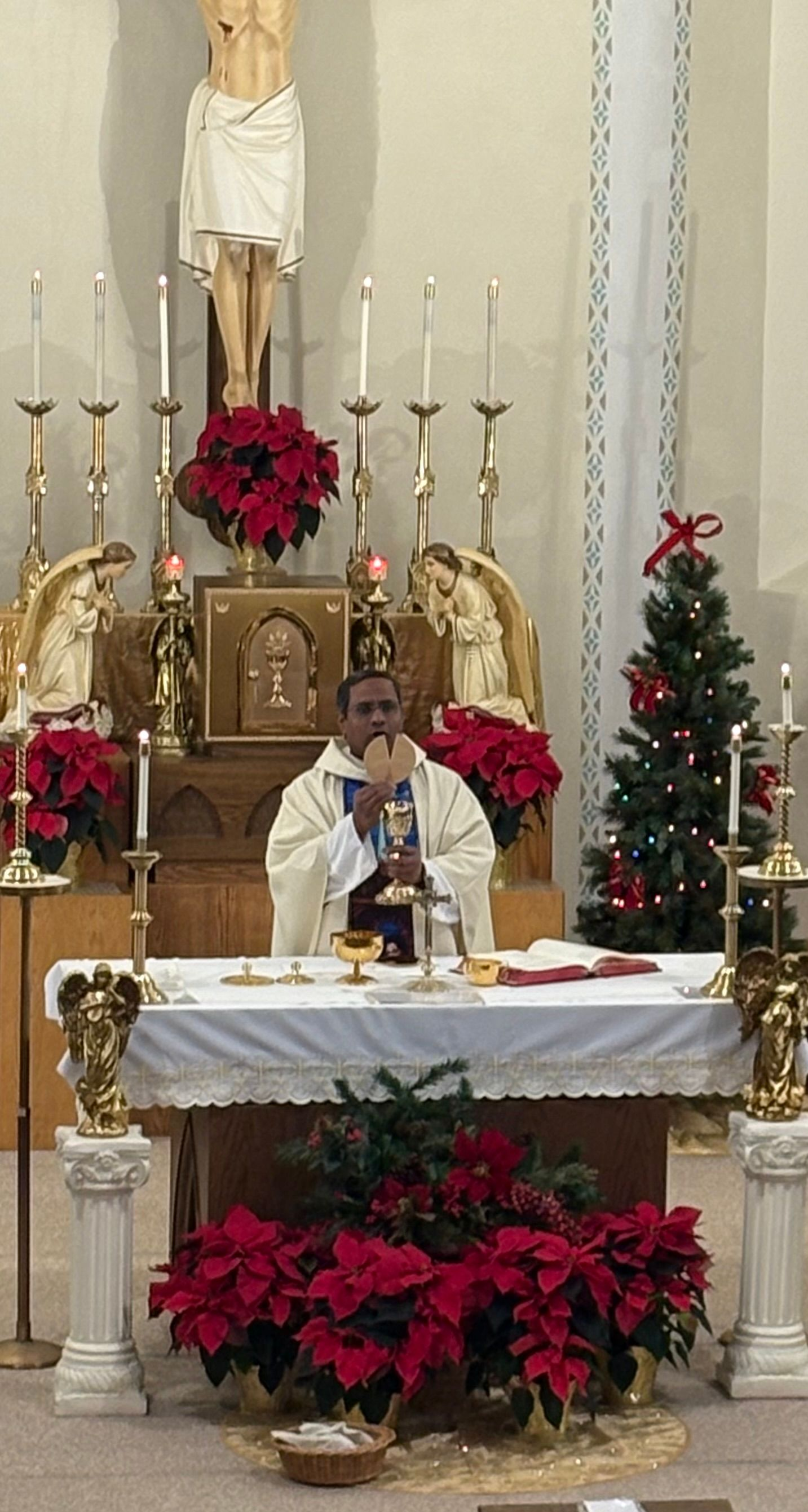
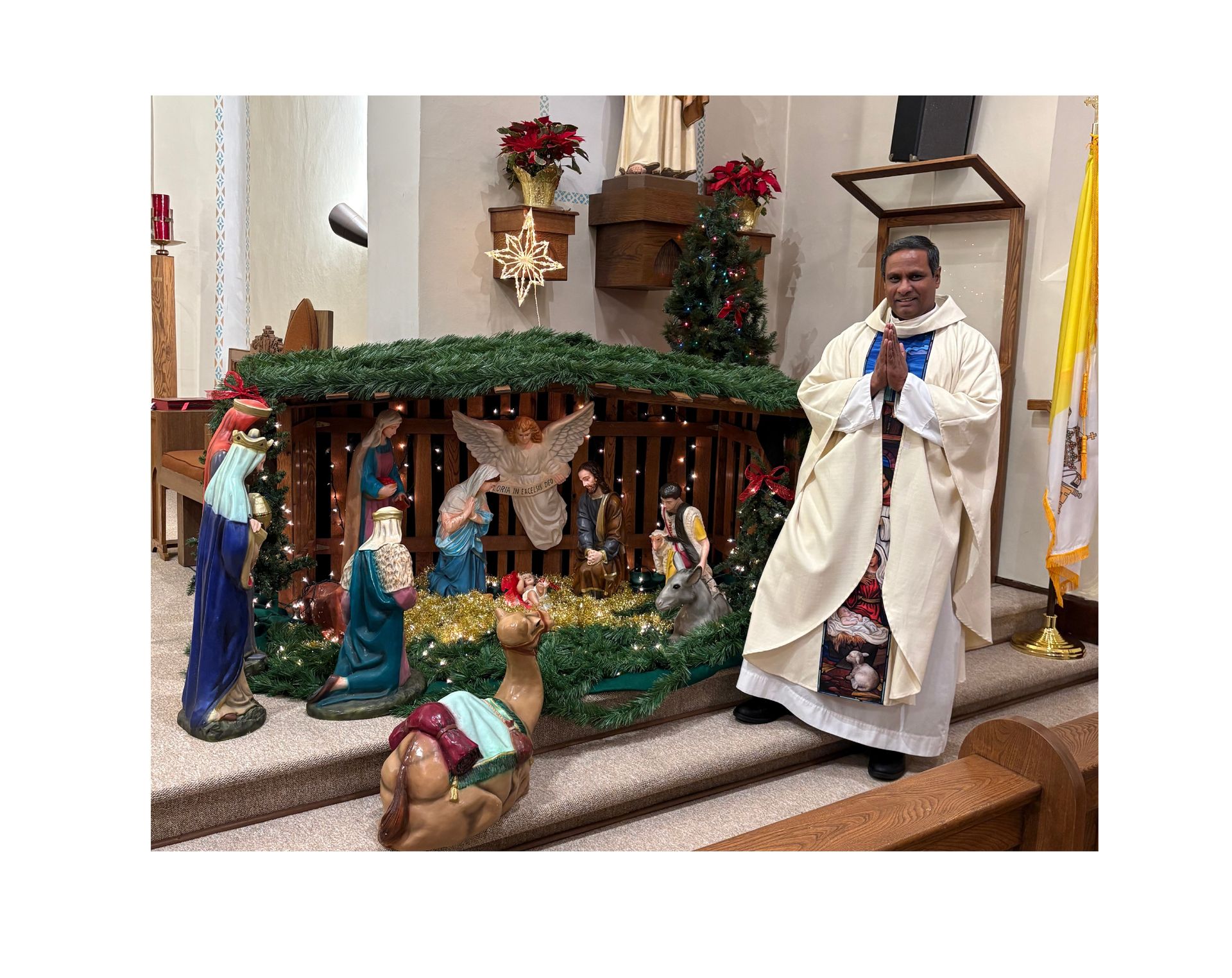
Solemnity of Mary, the Holy Mother of God My dear brothers and sisters in Christ, Happy New Year! Today, as we stand on the threshold of a new year, the Church gives us a beautiful and profound gift. We celebrate the Solemnity of Mary, the Holy Mother of God. It is no accident that we begin the year with Mary. Just as she was the "doorway" through which Jesus entered the world, she is the doorway through which we enter this new year of grace. Today is also the eighth day—the Octave—of Christmas. In the Jewish tradition, the eighth day was when a child was circumcised and officially given his name. So today, we celebrate the Mother, but we also celebrate the Holy Name of Jesus. Some people might wonder, "How can a human being be the Mother of God?" When we call Mary the Theotokos (the God-bearer), we are not saying she existed before God or created God. We are saying that the person she carried in her womb, the person she gave birth to, is truly God and truly man. By honoring Mary as the Mother of God, we are actually protecting the truth about Jesus. If Mary is only the mother of Jesus’ "human part," then Jesus is divided. But he is not. He is one Person. Because she is his Mother, she is intimately connected to our salvation. She shows us that God did not want to save us from a distance; He wanted to become one of us, to be held in human arms, and to be loved by a human heart. In today’s Gospel, we see the shepherds rushing to the manger. They are excited, telling everyone the amazing things the angels said. But look at Mary’s reaction: “Mary kept all these things, reflecting on them in her heart.” This is a beautiful lesson for us as we start 2026. We live in a very noisy world. We are constantly surrounded by news, social media, and busy schedules. Sometimes, we react to life with anxiety or loud words. Mary teaches us a different way: The Way of the Heart. To Keep: She held onto the moments of grace, even the ones she did not fully understand. To Ponder: She did not just let life happen to her; she looked for where God was moving in the middle of it all. I want to challenge you this year: when something happens—whether it is a great joy or a difficult trial—do not just react. Take it to your heart. Ask the Lord, "What are you saying to me in this?" In our first reading from the Book of Numbers, we heard the famous "Priestly Blessing." It is one of the most beautiful prayers in the Bible: “The Lord bless you and keep you! The Lord let his face shine upon you and be gracious to you!” As your priest, this is my prayer for you today. In the ancient world, to see someone’s "face" meant to be in a relationship with them. When we ask God to let His face shine on us, we are asking for His friendship and His peace. Last night, many people made "New Year’s Resolutions." We promise to eat better, work harder, or save money. Those are fine, but they often depend entirely on our strength. Today’s feast reminds us that we have a Mother who prays for us. The Church also marks today as the World Day of Peace. Real peace is not just the absence of war; it is the presence of Christ. And where is Christ found? He is found in the arms of Mary. As we approach the Eucharist today, let us ask our Blessed Mother to teach us how to love her Son. Let us place our families, our worries, and our hopes for this new year into her maternal hands. If you feel lost this year, look to Mary. If you feel tired, rest with her. She will always point her finger toward her Son and say to us, as she did at the wedding in Cana, "Do whatever he tells you." May the Lord bless you, may Mary protect you, and may 2026 be a year where you grow closer to the heart of Jesus.
